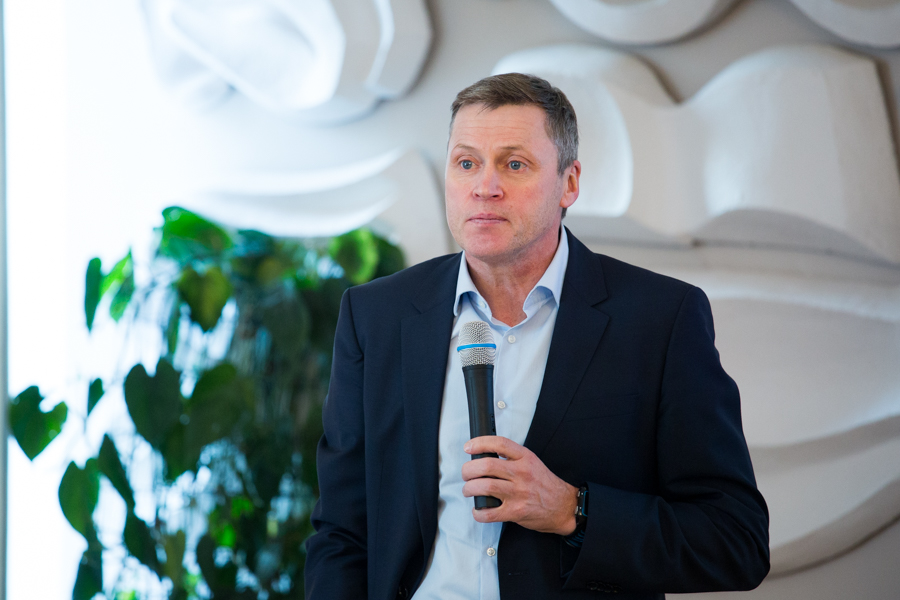
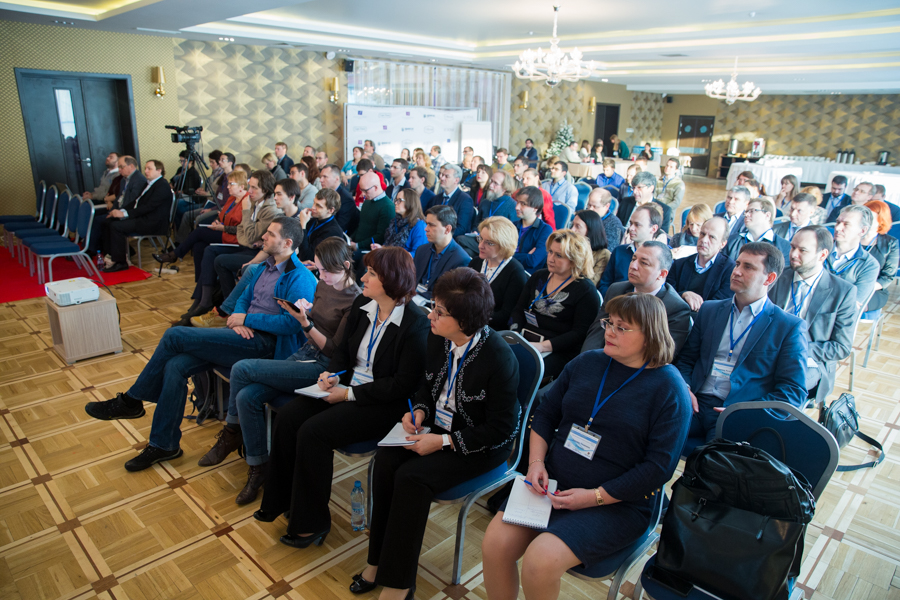
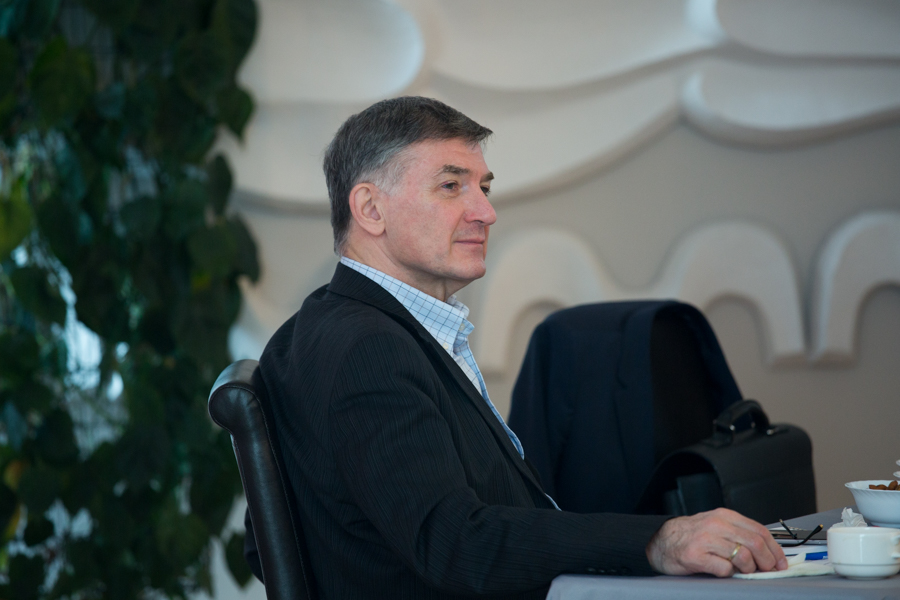
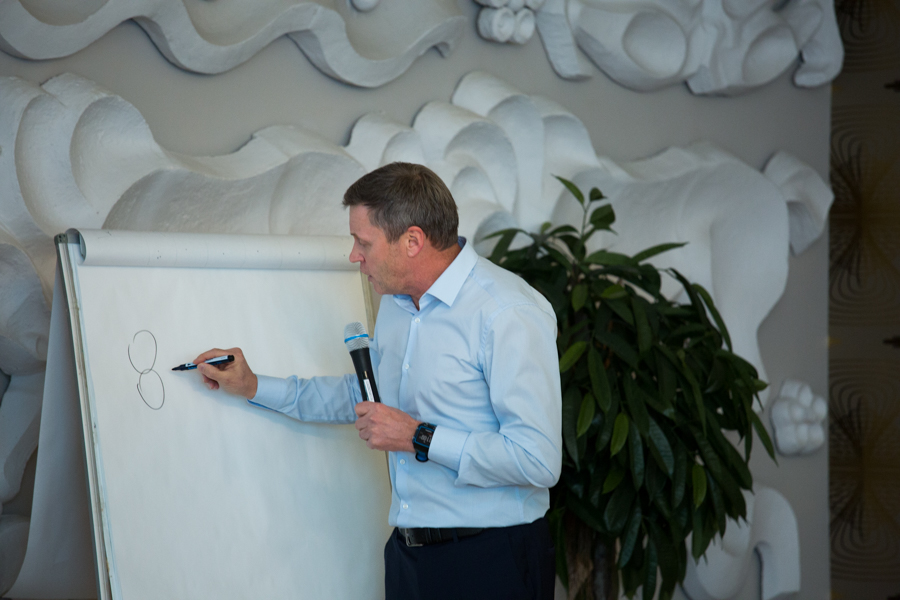
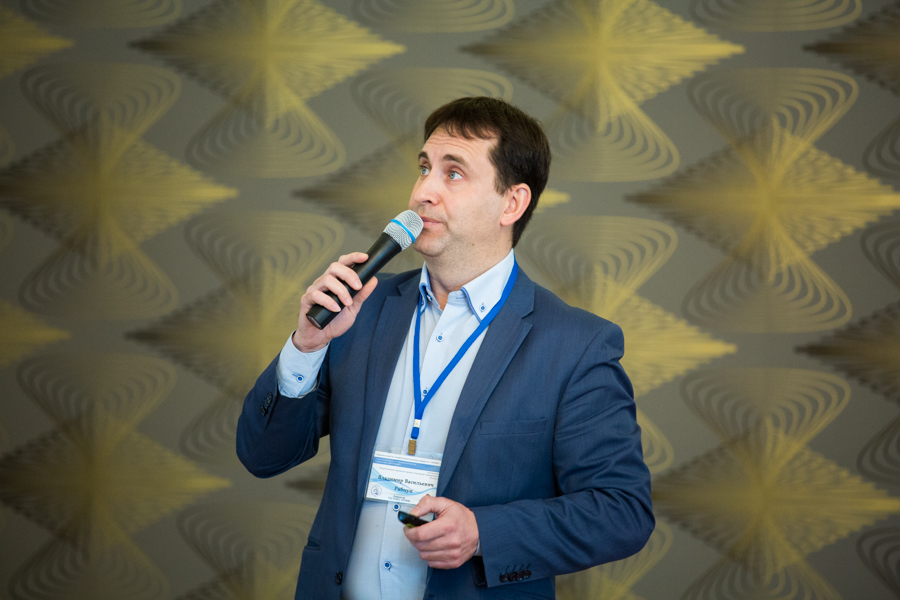
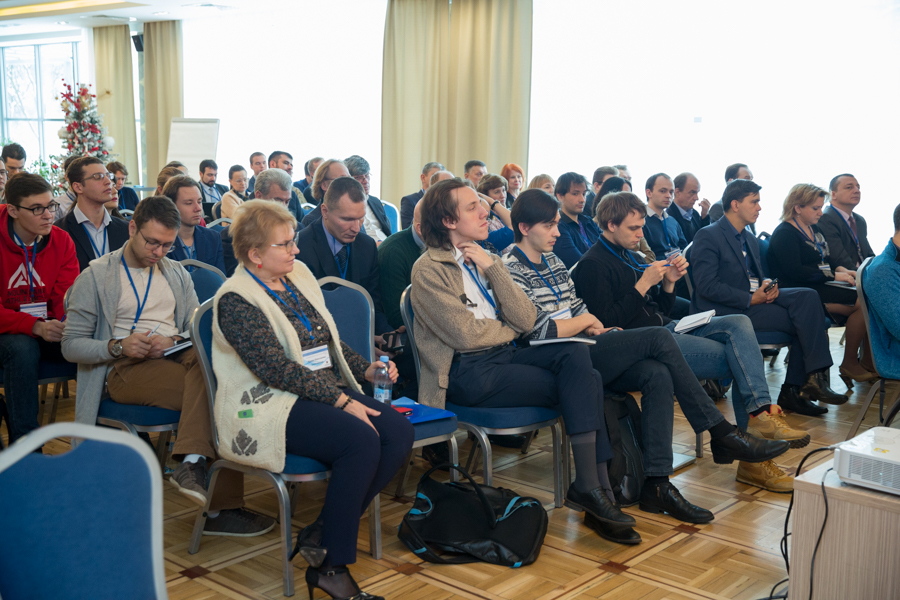
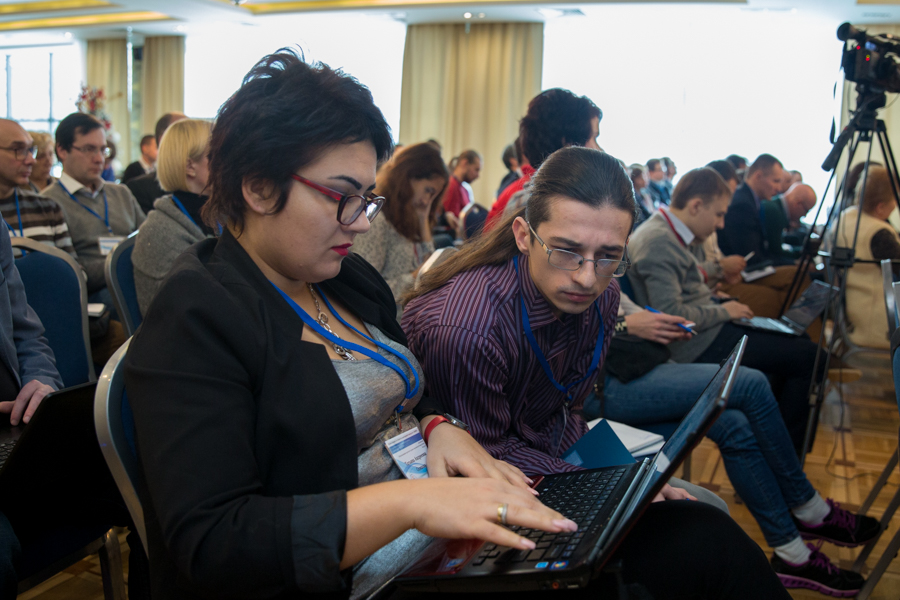
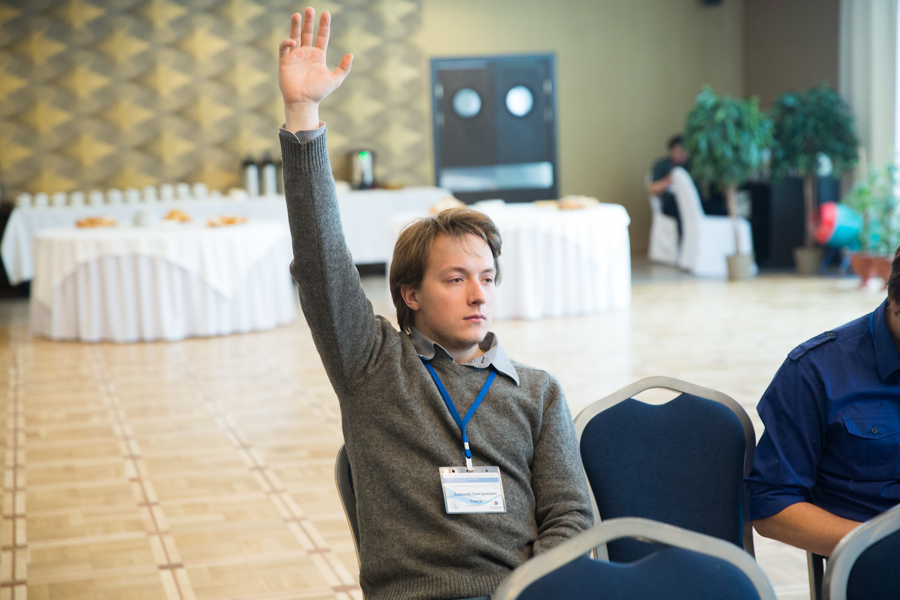
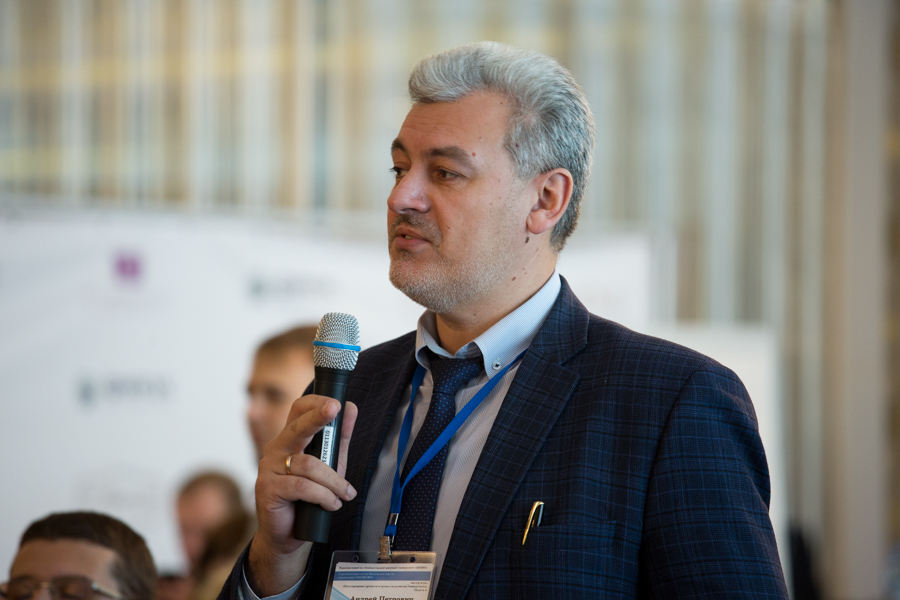
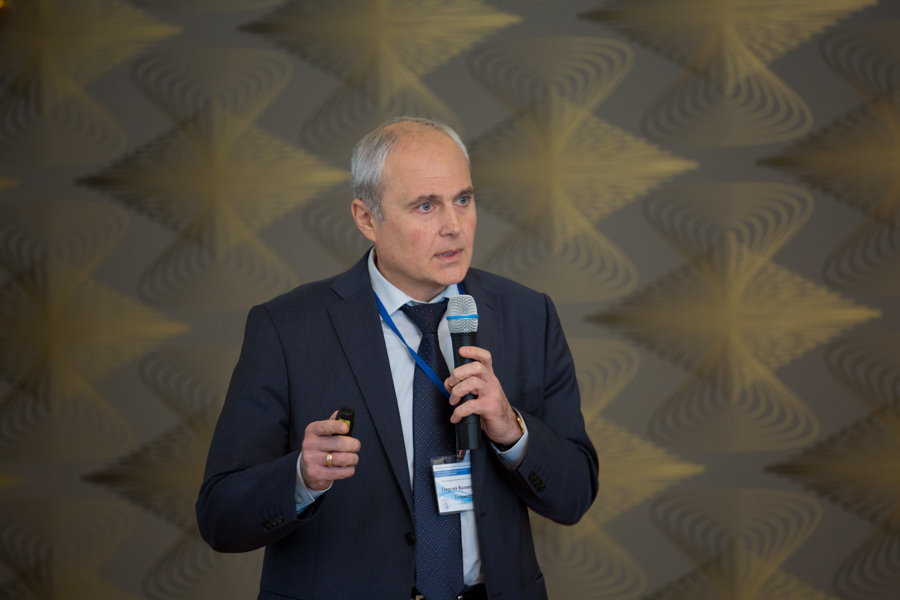
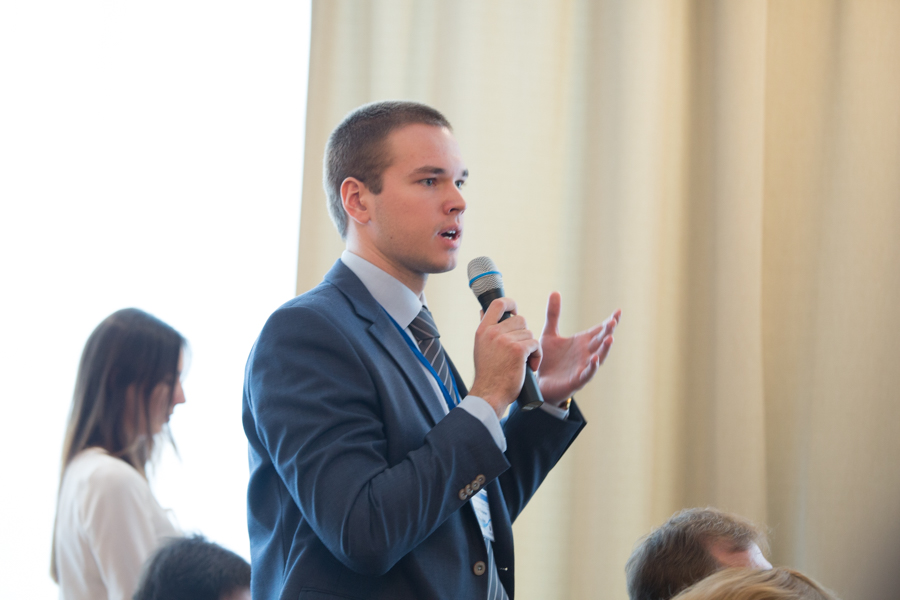
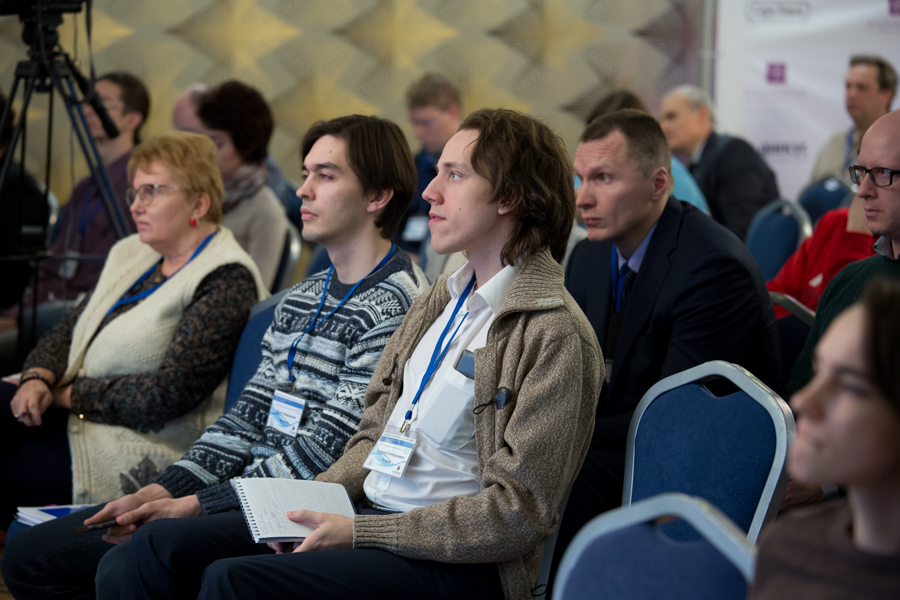
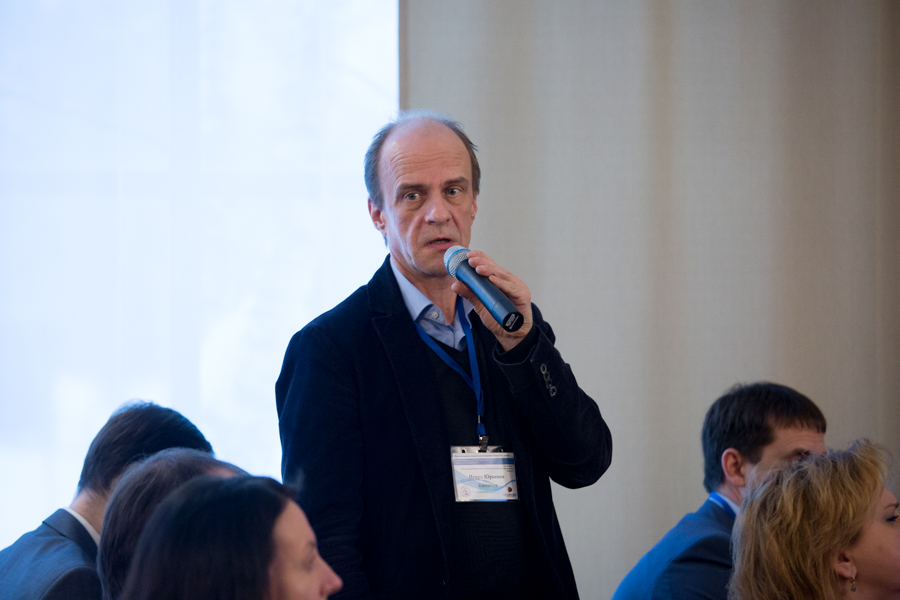
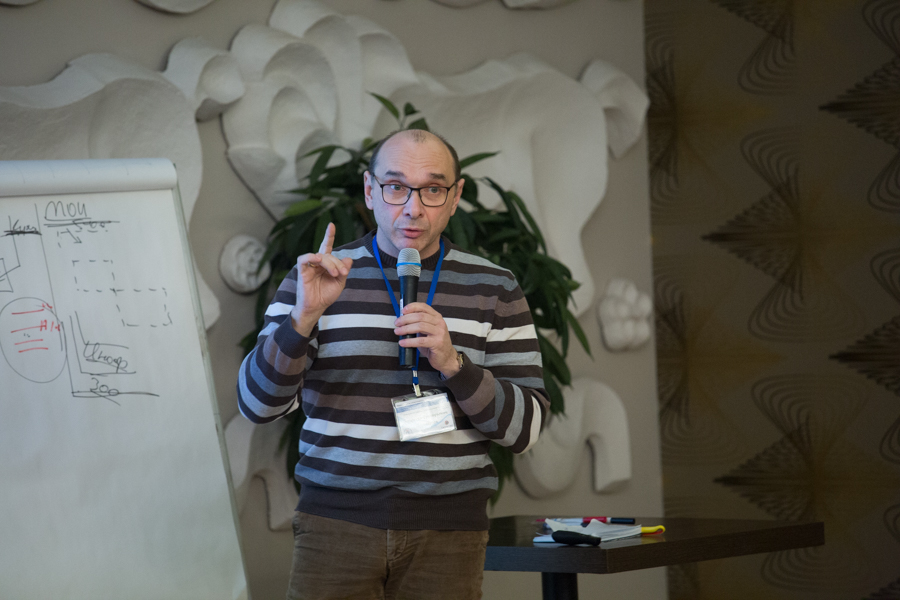
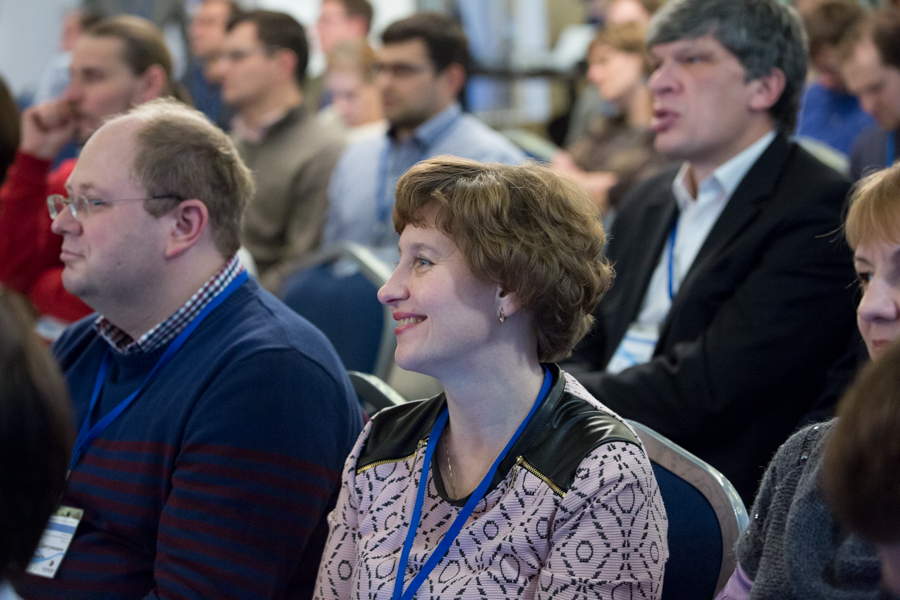
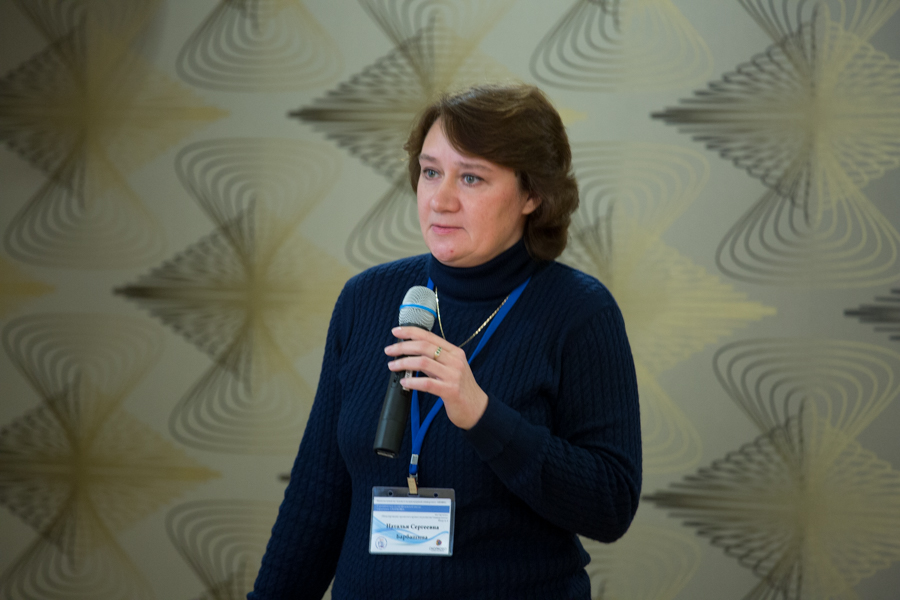
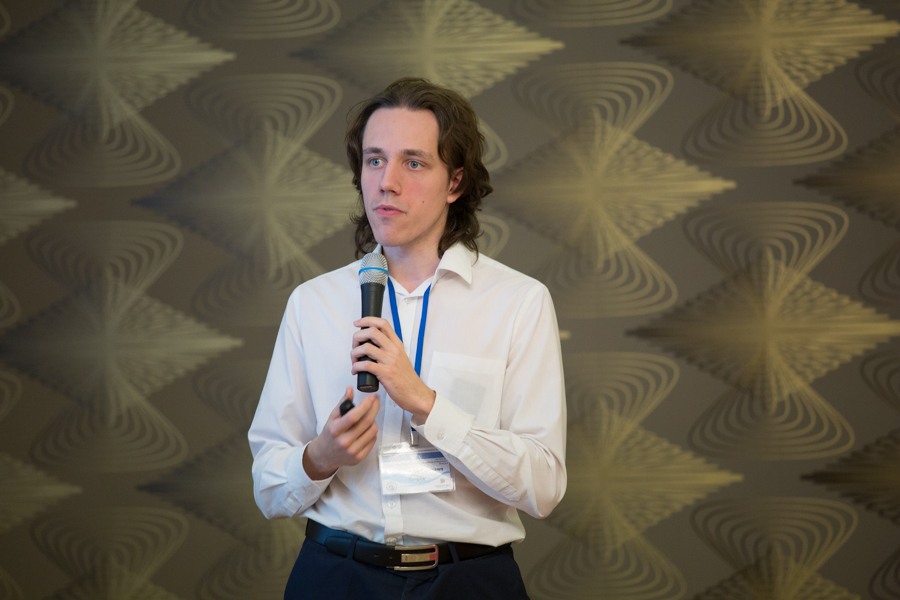
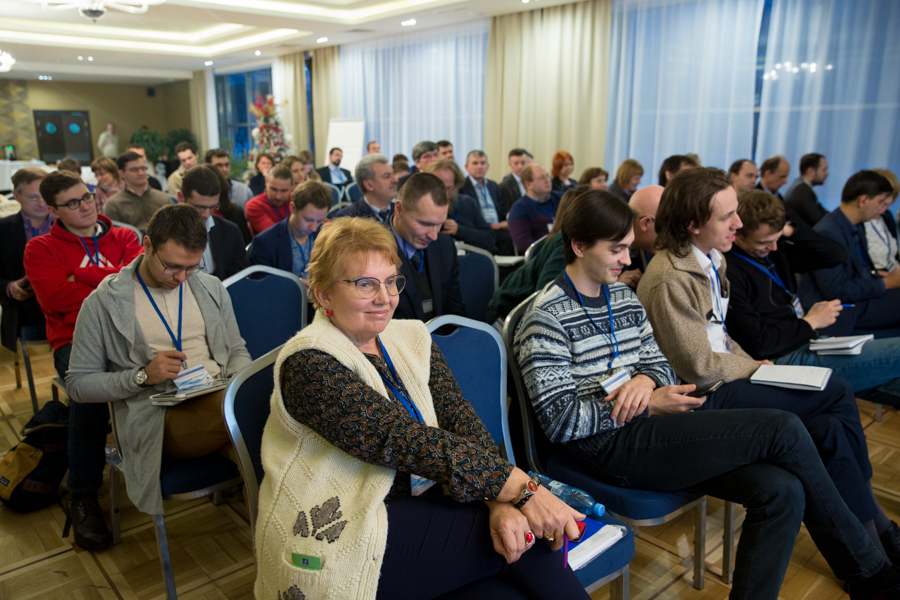
From December, 9 to 10 a regular strategic was held within the Program of MEPhI competitiveness’ enhancement. This time, the module "Modelling of projects and processes of the University development" was dedicated to the priorities of the university development during the formation of the strategic academic units’ system. The session was attended by experts and professor of SKOLKOVO Moscow School of Management A.E. Volkov, MEPhI rector M.N. Strikhanov, faculty and staff of the university.
In his speech, A.E. Volkov told about the experience of leading Russian and foreign universities, including MIT, UCLA, MIPT. Among the problems that are common to many universities, he pointed out, in particular, the absence of organizational reflection and the research protocol.
The expert also mentioned such important features as the diversification of financial and human resources’ policy. Another important factor is a certain collective, solving certain problems. In addition, when choosing a university a person looks at working conditions, the speed of documents’ processing, absence of formal obstacles. Both for the speaker and the audience a surprising factor was the possibility to find a job for the spouse.
Speaking about how new management systems are formed, A.E. Volkov gave as an example a number of universities, in which they have been successfully applied. The expert explained the need for a socio-humanitarian block for experts in physics and mathematics, the development of new approaches to communication for the correct articulation of thoughts, citing the experience of leading universities.
After an exciting multi-faceted lecture of SKOLKOVO Professor participants of 10 groups, representing different strategic academic units and directions, represented the results of intersessional work. Among the participants there were five strategic academic units: the Institute of Nuclear Physics and Technology, Institute of nanotechnologies in electronics, spintronics and photonics, Engineering Physics Institute of Biomedicine, Institute of Intellectual cybernetic systems (IICS), Institute of Laser and Plasma Technology ( LaPlas), and groups: Education, Management, Research, branch network, Innovations. Each report was followed by a detailed discussion, comments and questions from colleagues and session experts. After the first day the group corrected presentations in accordance with the suggestions and on the second day presented results of their work.
The members of strategic academic units and thematic groups presented the results of the work in the intersessional period. Concerns and development priorities, which university faces, were outlined, a roadmap for the next few years was presented. The priority objectives included increasing the academic staff involvement in the modernization of MEPhI, identification of active teaching staff, creating of an attractive environment for work with foreign students. It is also important to take into account feedback for further development of the institute. Among the problems listed there was communicative closeness of some strategic academic units and the need to overcome it for internal communication. In the sphere of education it was suggested, in particular, to carry out the transformation of the curriculum on a new micromodule basis. For some strategic academic units, for example, for IICS, it was recommended to set the task of attracting students on the off-budget form of training. For some strategic academic units the primary objectives are the discovery of new laboratories and the increasing of the number of foreign teachers, while for others the key priority is the new content of educational programs. Following the leading foreign universities each strategic academic units should form programs (majors and minors) for training of specialists in relevant fields. Group "Branch Network" proposed to diversify educational programs, as well as provide consulting services in order to attract additional funds. In general, the majority of participants in the strategic session expressed their willingness to implement the project activities in their job.
According to A.E. Volkov, it is planned to focus on governance issues in the next session, as well as research and initiative projects. Summing up the results, he advised the participants to look for new forms of communication. A.E. Volkov also noted the positive dynamics of all the participants of the session and the need to continue to move in the chosen direction, immersing the research projects in the strategic academic units.