According to the World Health Organization, one of the main causes of mortality is cardiovascular diseases. Only early detection of disease symptoms guarantees preservation of people health and life. However, traditional methods of examination (x-ray, ultrasound investigation, laboratory methods, etc.) allow to diagnose only structural or late changes. Development of simple and available means of early diagnosis, with which you can track functional (early) signs of disease and to choose a plan of therapy, is the research subject of scientists around the world.
The Department of Micro- and Nanoelectronics MEPhI has no doubt that with the help of technology of ion mobility spectrometry you can accurately conduct non-invasive diagnosis of diseases and monitor patient's condition only on the analysis of expiratory human air. For these purposes there was created an experimental device which received the informal name “electronic nose”.
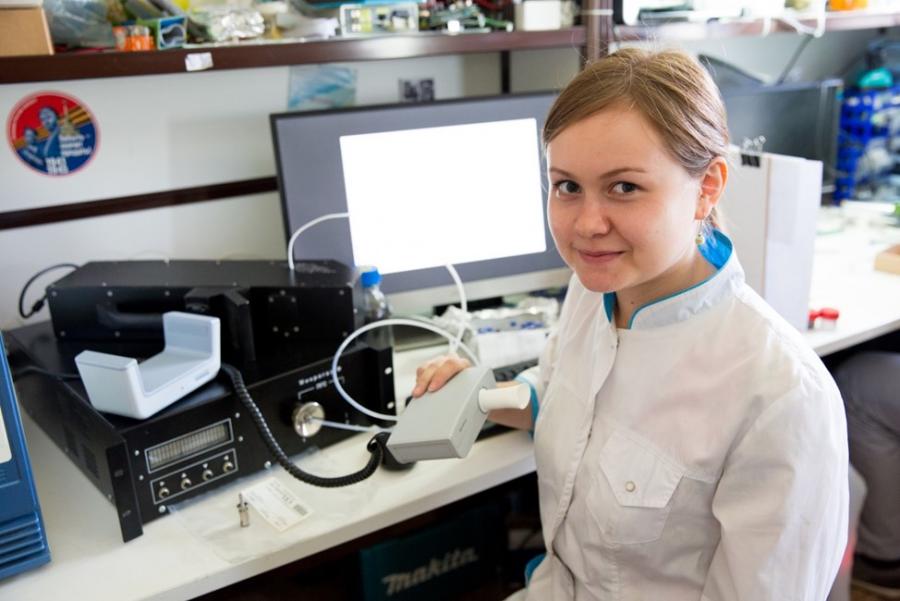
Photo 1: Julia Shaltaeva – developer of the “Electronic nose”
The device is being developed and improved by the postgraduate student Julia Shaltaeva within a group of scientists under the leadership of Professor Vladimir Belyakov. “Our team is doing everything possible so that this device can be used on a massive scale in the nearest future, for example, in screening for early detection of disease and monitoring of therapy,” Julia says.
Design, manufacture and experimental testing of a prototype of the diagnostic system is based on a gas sampling valve with fixed dose volume, multicapillary chromatographic tube and detector of ion mobility “Cerberus” with non-radioactive ionization source. The use of high-performance chromatographic separations combined with ion mobility spectrometry allows to identify a wide range of substances in concentrations of about ng/ml.
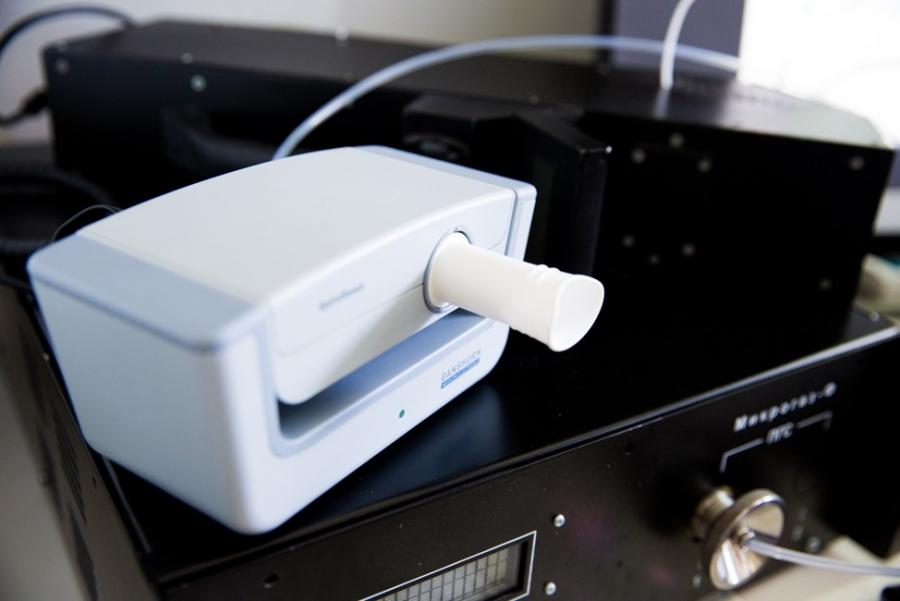
Photo 2: The device can determine the state of health of a person by the air he breathes out
At the moment scientists have made clinical study of 50 patients who are observed in a cardiology clinic of the Sechenov First Moscow State Medical University. In the air exhaled by patients they identified marker substances, which according to scientists will allow to diagnose chronic heart failure.