Two young employees of the Department №67 – engineers Alexander Zaitsev and Ilya Svintsov have interned in the GSI Helmholtz Centre for Heavy Ion Research (Germany) during June-July of 2016. The research was undertaken as a part of a scientific group of Professor Joachim Stroth which works in the international experiment HADES, located at the synchrotron SIS-18 at GSI.
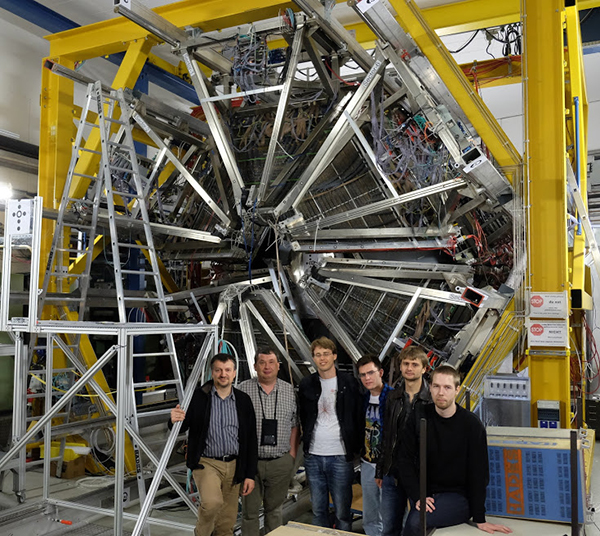
Fig.1. MEPhI employees during the tour around the international experiment HADES
The programme included both familiarity with software and techniques to process data from the HADES experiment and elaborate study of various components of the installation and instruction necessary to participate in the experiments.
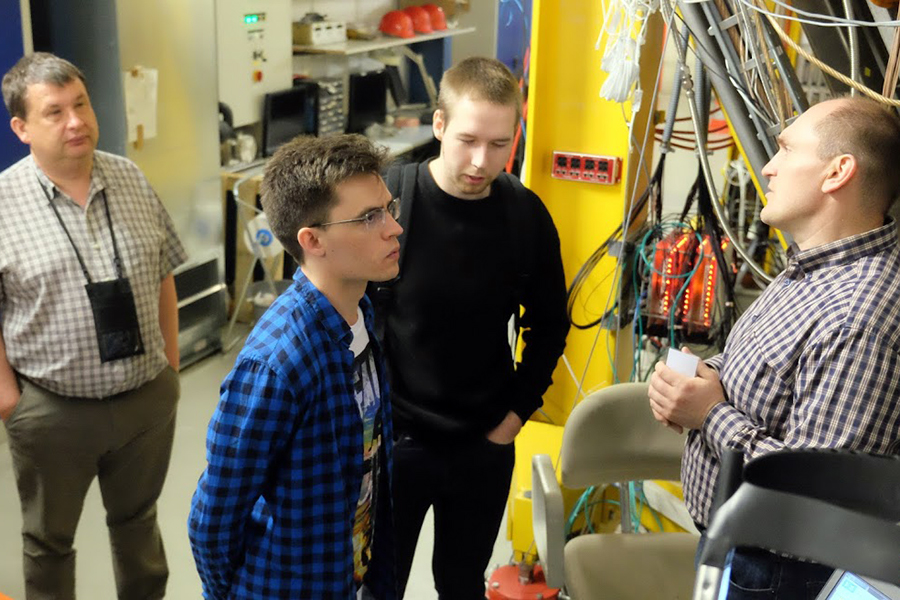
Fig.2. Familiarity with the installation, induction training
The mid-June has ended with the transfer of all data of the HADES collaboration in the new computer center “Green Cube”. This ultra-modern centre, built following the latest energy efficiency standards, will accommodate more than 300,000 CPUs and provide more than 100 petabytes of disk space to record experimental data from the experiments of the future accelerator complex FAIR.
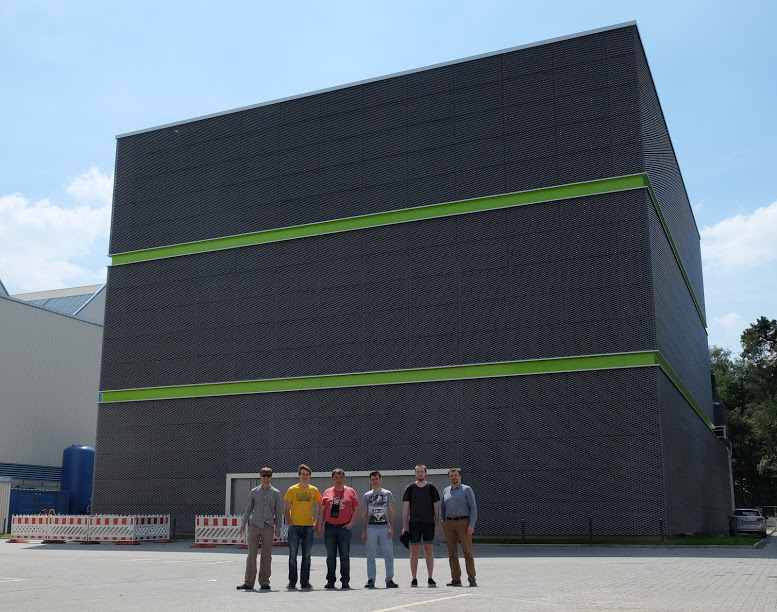
Fig. 3. New computer center FAIR-GSI “Green Cube”
It should be recalled that the HADES spectrometer (https://www-hades.gsi.de) was created in the GSI Institute by the European collaboration in 2000. The aim of the project is to conduct systematic studies of hadrons properties in hot and dense matter at the accelerator SIS-18.
The main objective of the experiment is the registration of electron-positron pairs produced in the collision of nuclei. Big penetrating ability of these dileptons, formed at different stages of a nuclear collision, can elucidate the underlying properties of matter, such as the dilepton mass source, modification of particle properties in the nuclear environment, the restoration of chiral symmetry, and also allow to explore new possible states of matter, such as mixed quark-hadron phase and the quark-gluon plasma.
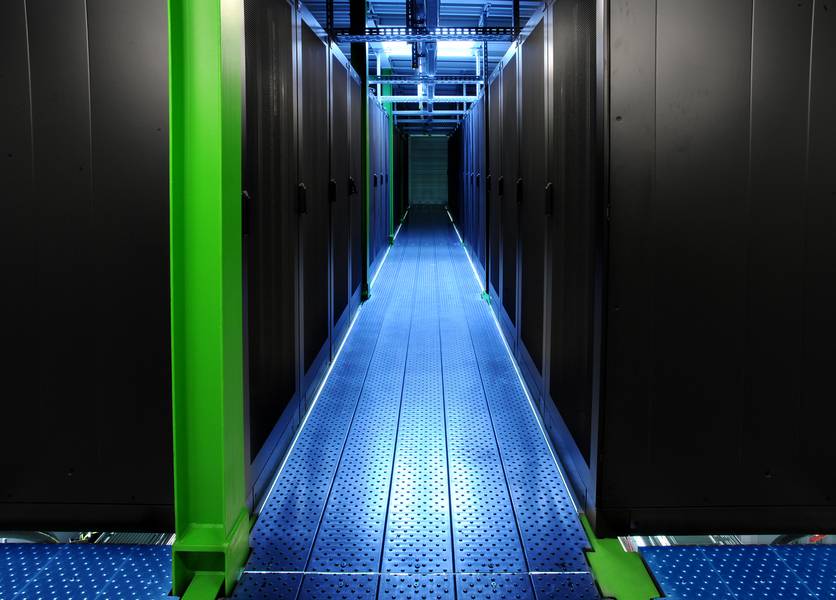
Fig.4. Modern servers to store and process data in the “Green Cube” center
HADES – the installation of the first phase, which will participate in experiments at the new accelerator complex FAIR, which is under preparation for the launch in 2021-2022. Today HADES collaboration includes 115 physicists from 20 institutes of ten European countries. MEPhI became the first University of Russia, which was adopted in the international collaboration HADES in October 2015.
Collaboration HADES is interested in undergraduate and postgraduate students of the Institute to participate in the experiment and processing the experimental data. Those wishing to study in Master's and PhD programme are invited to get acquainted with group members and discuss all questions at the Department №67 (building 33, 3rd floor, room 301, email: AVTaranenko@mephi.ru).