On April 7, 2016 the Rating Agency “Round University Ranking” (RUR) in partnership with the international company Thomson Reuters has published a ranking of the best universities of the world in 2016.
This year the rating covers 700 higher education institutions from 74 countries of the world. Out of 23 Russian universities 14 are participants of the Project 5-100.
RUR ranking has reflected performance of universities in key areas of activity: teaching, research, internationalization and financial stability.
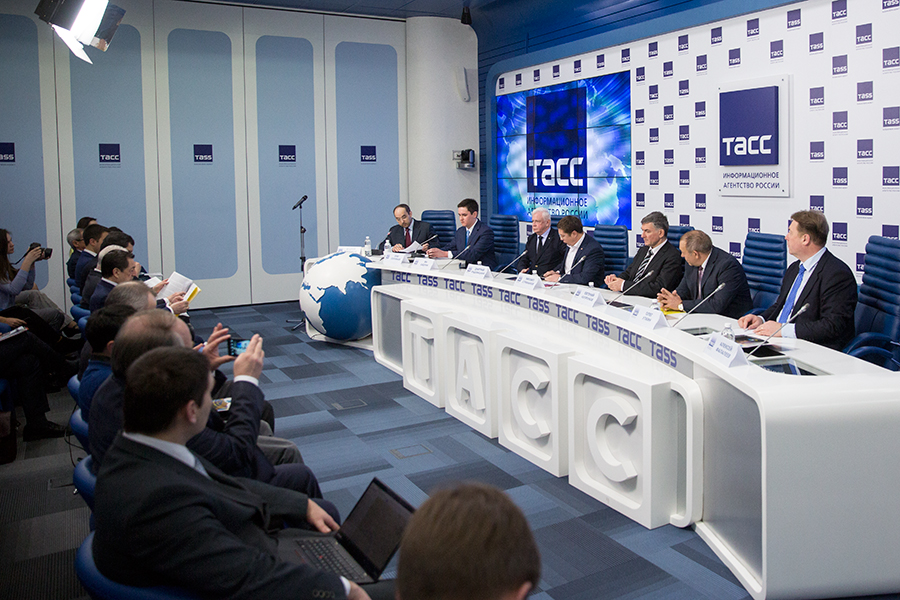
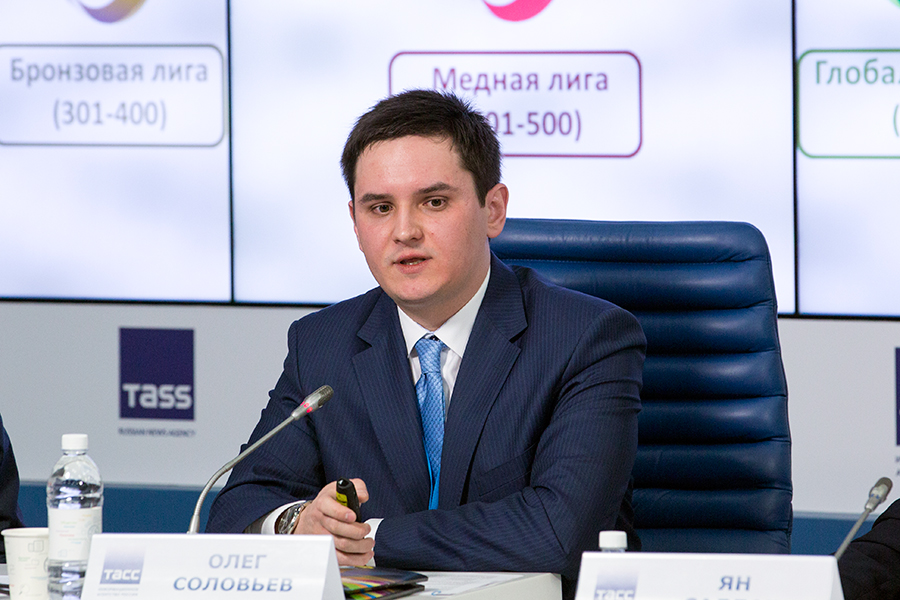
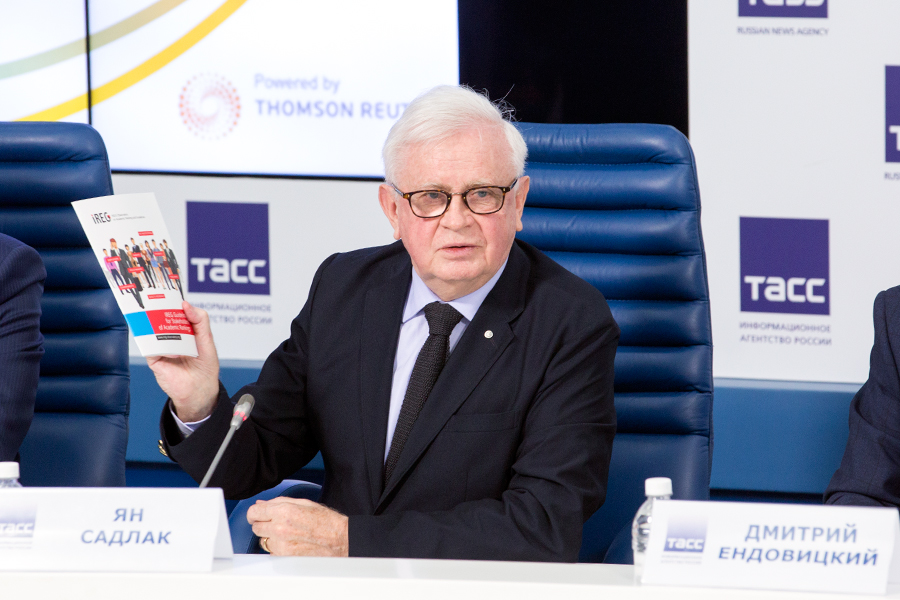
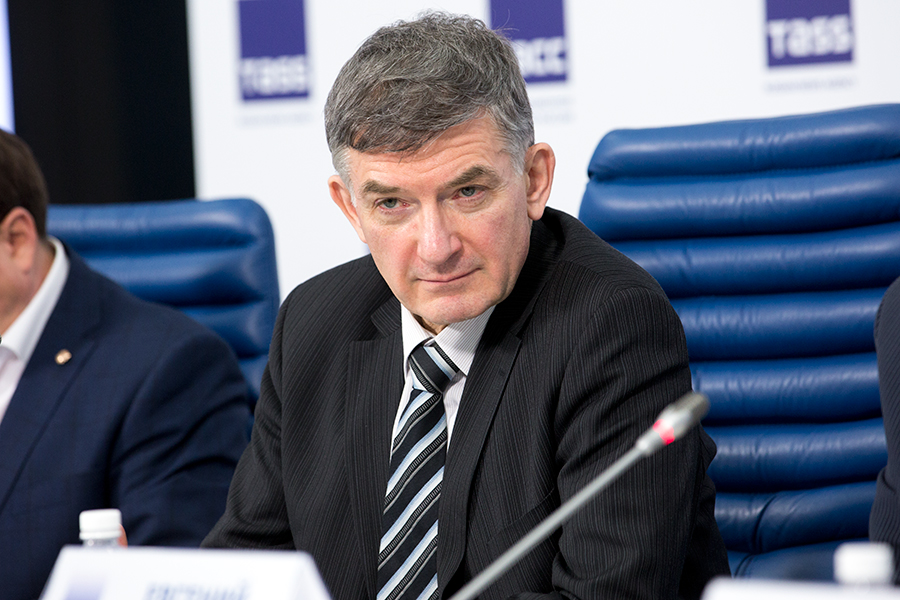
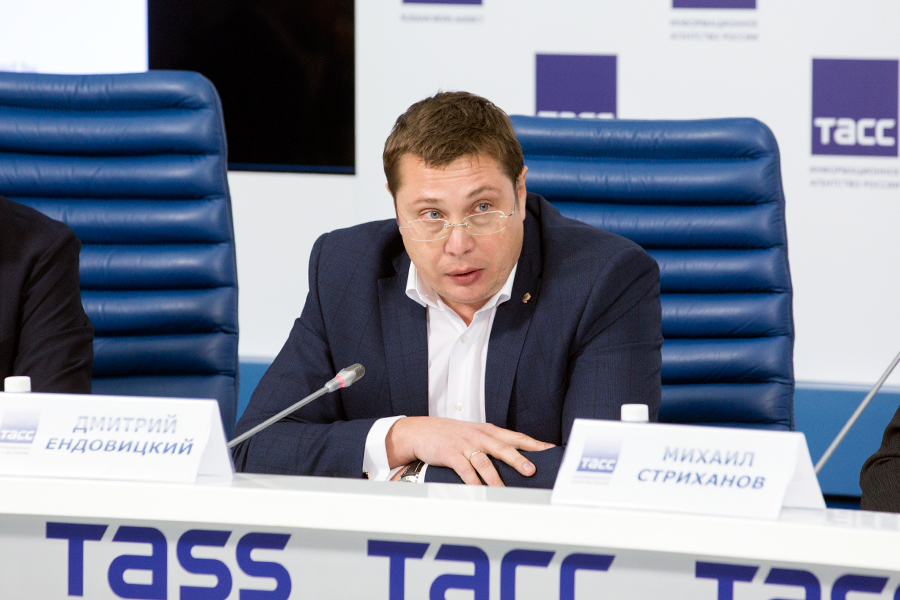
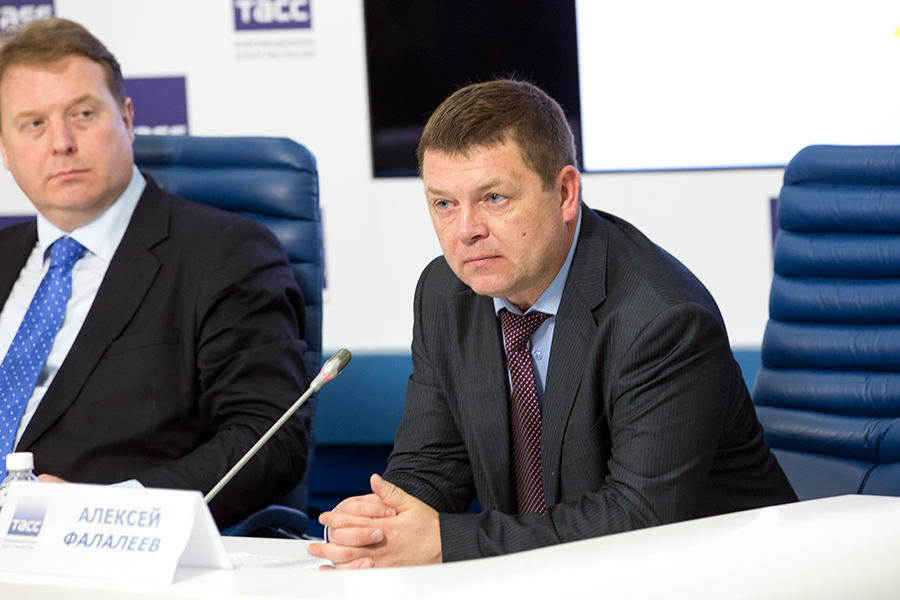
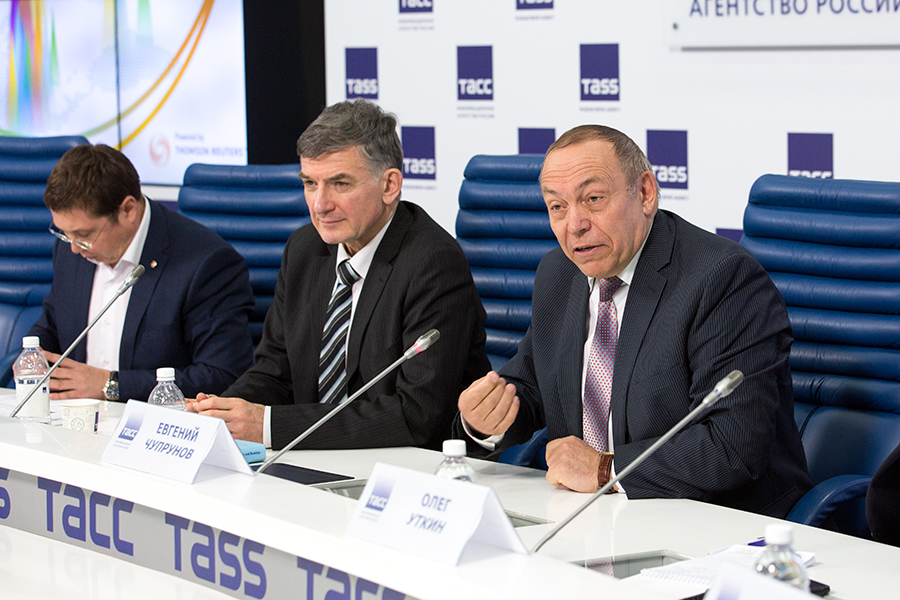
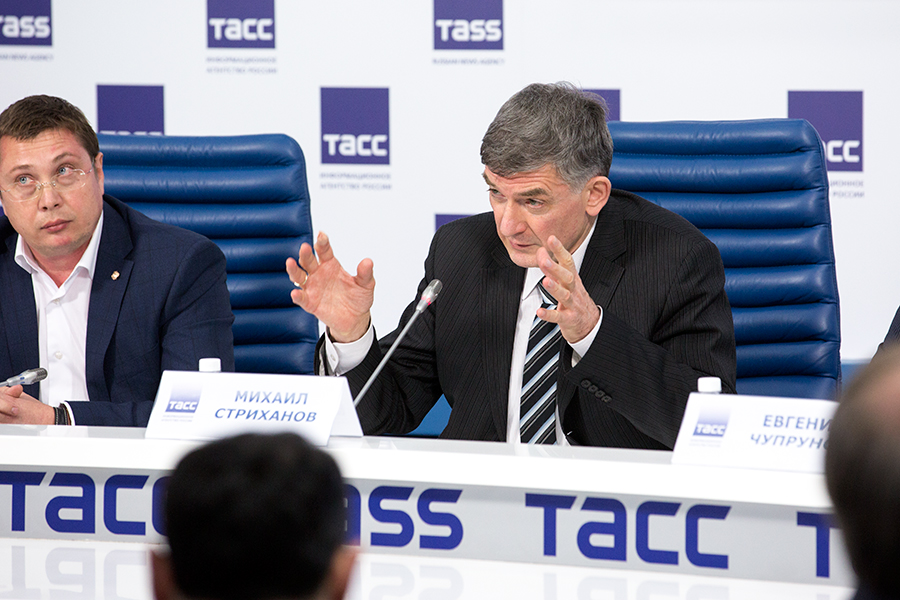
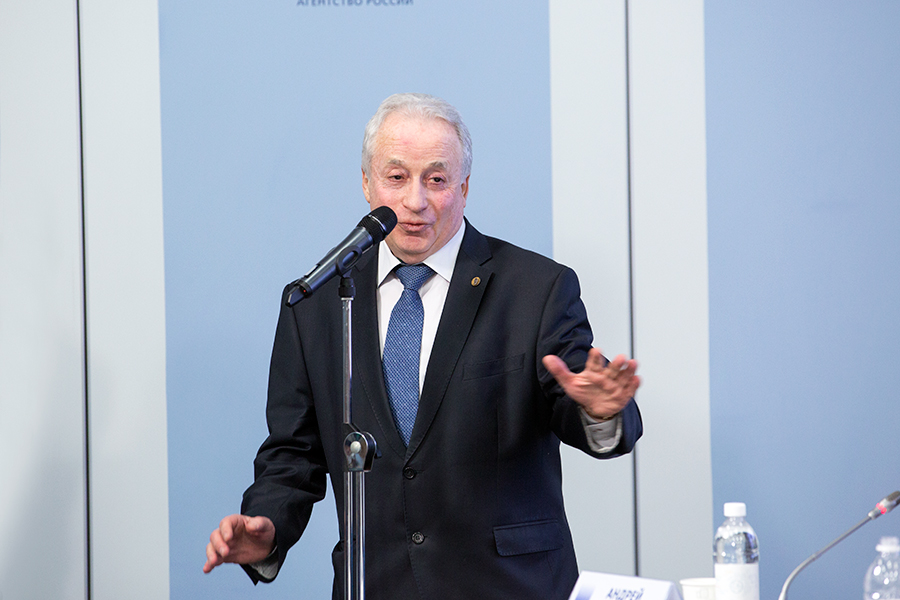
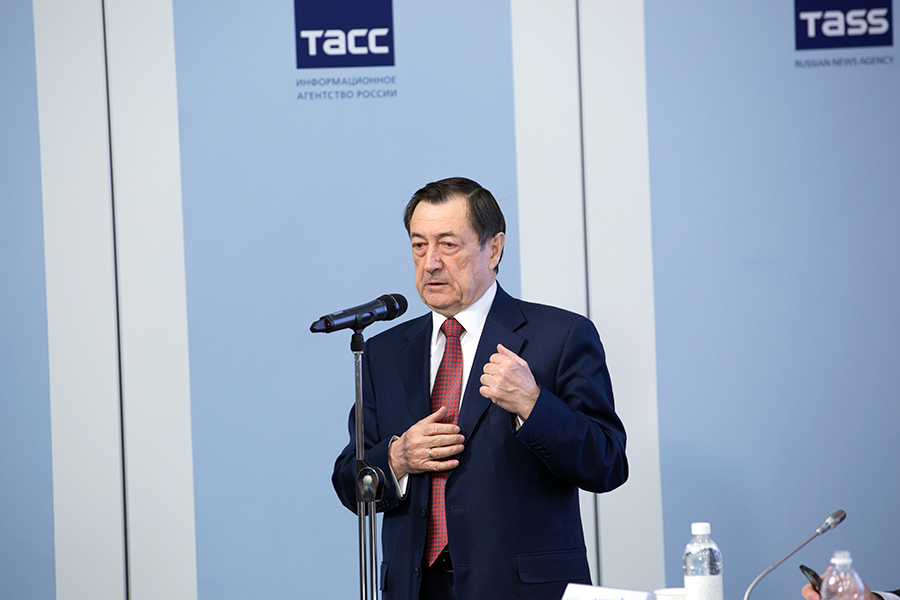
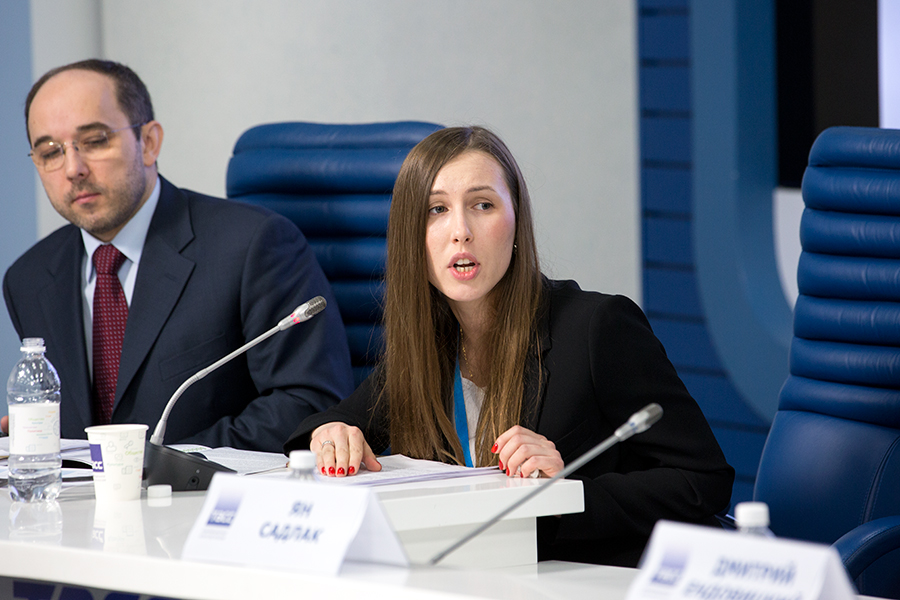
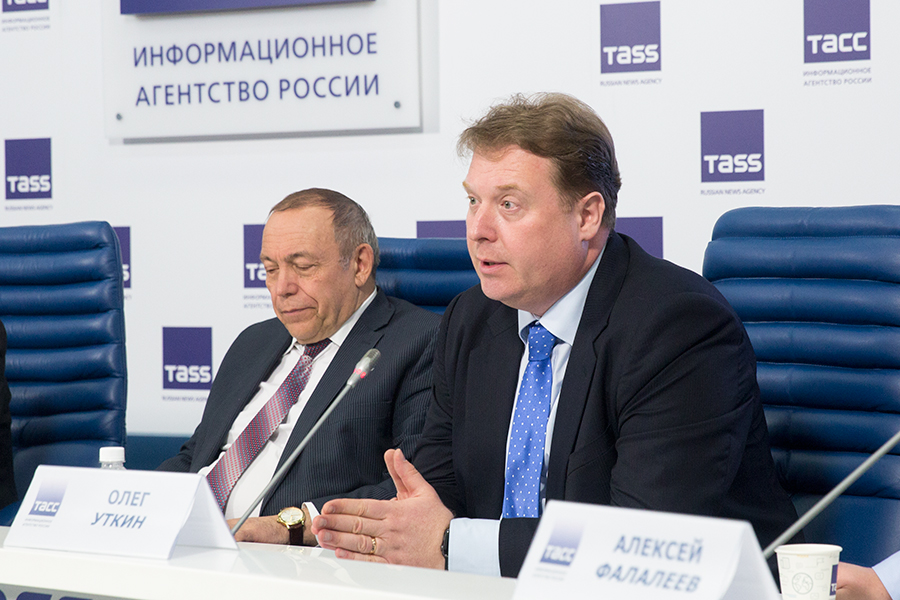
A press conference in Russian news agency TASS was attended by the editor of the international university ranking RUR Oleg Solovyov, Director of the Department of scientific research and intellectual property of Thomson Reuters Oleg Utkin, President of the IREG Observatory on Academic Ranking and Excellence Jan Sadlak, head of Department of Expert support at Project Office 5-100 Alexei Falaleev, rector of MEPhI Mikhail Strikhanov, rector of the Lobachevsky State University of Nizhny Novgorod Evgeny Chuprunov, rector of the Voronezh State University Dmitry Endovitsky and other members of the university community and the media.
According to the data of the RUR-rating 2016, the 1st place in Russia is taken by the Lomonosov Moscow State University, who moved to 172nd place in the world (from the 182nd the year before). National research nuclear university MEPhI is on the second place being the 271st in the world (296th a year earlier). The top-3 is closed by the Tomsk State University, located at 329th place in the world.
Another important achievement of MEPhI is 44th position in the world in citation and 126th in the quality of education.
“RUR rating is the navigator for applicants and students, for lecturers it’s a tool for selection of employee, for states and administration of the University – one of the ways to assess their suitability in the world stage”, said the editor of the international university ranking Oleg Soloviev. For Russian universities results of the rating in 2016 has become a significant breakthrough.
Along with Russia, the largest positive growth was demonstrated by BRICS countries. It can be interpreted as one of currently occurring changes in the world – more and more countries come to a comparable level in the field of education and science. And no single country in the world can be considered as absolute leader.
In his speech the rector of MEPhI Mikhail Strikhanov emphasized relevance of universities’ participation in the global ranking RUR. “It is an important event, when our Russian colleagues have developed a rating, which claims to be representative, authoritative, and international”, he said.
Commenting on the development dynamics of Russian universities, MEPhI rector stressed that the rating “is quite critical and honest” in respect of national universities. “Austerity – the answer to how authors of the ranking are scrupulous about its indicators. On the one hand, they don’t put Russia in front, on the other, progress is visible, and it is the result of the Project 5-100”, said Mikhail Strikhanov.
The rector believes that participation of Russian universities in various rankings has a positive effect on two major tasks. First, they have achieved a unity of science and education. Secondly, youth are attracted to ambitious plans, universities have become more international, conduct more conferences.
However there are still a number of challenges: a concentration of teaching staff in the major cities and their reluctance to go to the regions, and incomparable level of budgets that Russian higher educational institutions have in comparison with the world's strongest universities.
In a whole, results of the Round University Ranking-2016 have shown a long-term trend in improvement of positions of Russian universities, which is associated with the integrated effect of target programs to support universities. The first is a program to increase the global competitiveness of Russian universities, better known as the Project 5-100, as well as programmes of national research universities, federal universities etc.